 Nederlands
  Français
  Deutsch
  Italiano
  Español
  Português

How do trams work in Amsterdam?
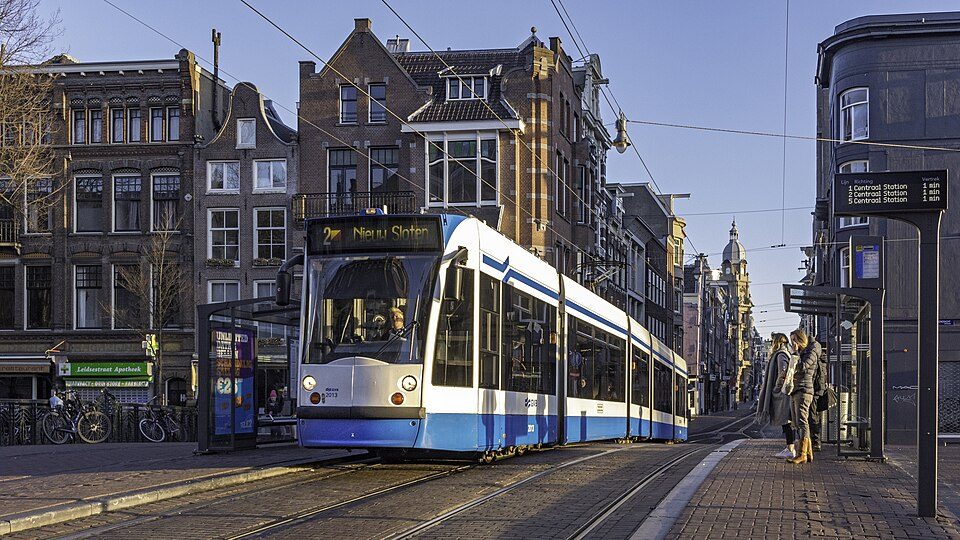
Each tram has a line number and a final destination displayed on the front and side. Tram stops normally show the line numbers that serve them, together with their direction of travel.
The easiest way to find the right tram is to enter your destination into the GVB journey planner. It will show which tram to take, where to board and whether you need to change along the way.
Routes can temporarily change because of roadworks, events or construction, so checking your journey shortly before travelling is a good idea.
How to board a tram in Amsterdam
When the tram arrives, first check the line number and destination displayed on the tram to make sure it is travelling in the correct direction.Let passengers leave before you board. Once inside, check in with your card, ticket or phone.
If you are using a contactless bank card or another OVpay payment method, simply hold it against one of the card readers inside the tram. When you reach your destination, remember to check out using the same card or device.
This means you do not necessarily need to buy a ticket before taking your first tram.
How do you pay for the tram in Amsterdam?
For many visitors, the easiest option is to pay directly using a contactless debit card or credit card. You can also use a compatible phone or smartwatch.Simply check in when you enter the tram and check out when you leave. Make sure you use the same payment method for both. For example, if you check in with your physical bank card, you should not check out using the same card through your phone's digital wallet.
There are also GVB tickets and travel passes available for visitors who expect to use public transport frequently.
Our guide to Amsterdam public transport tickets compares the main options and explains when paying per journey or buying a travel pass makes more sense.
Do you need to check in and out on Amsterdam trams?
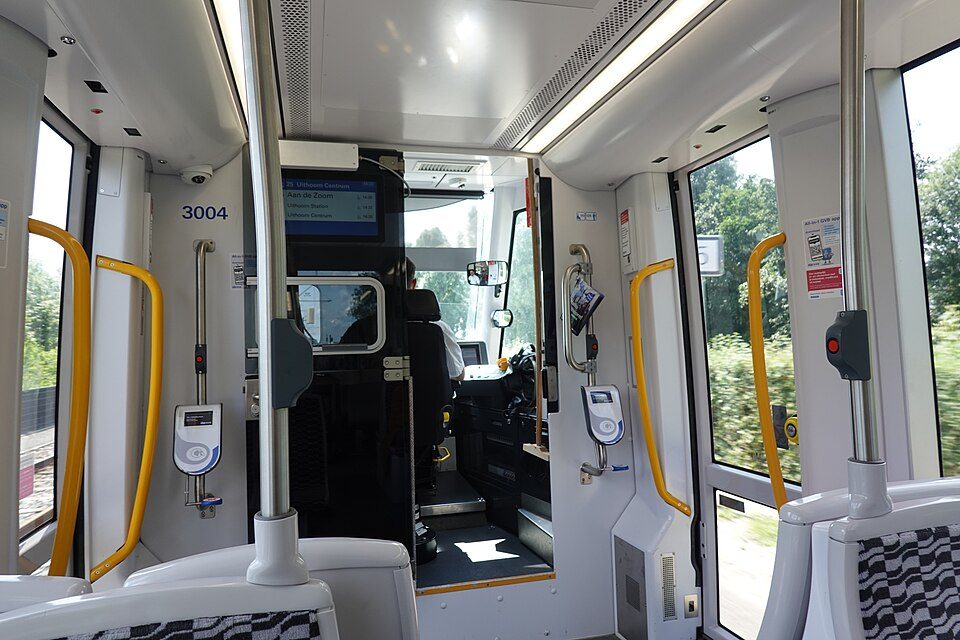
This also applies when you are using many prepaid GVB tickets and travel passes. Look for the card readers inside the tram and hold your card, ticket or device against the reader.
Forgetting to check out can result in an incorrect fare being charged, so it is worth getting into the habit of checking out as soon as you approach your stop.
Which tram should you take in Amsterdam?
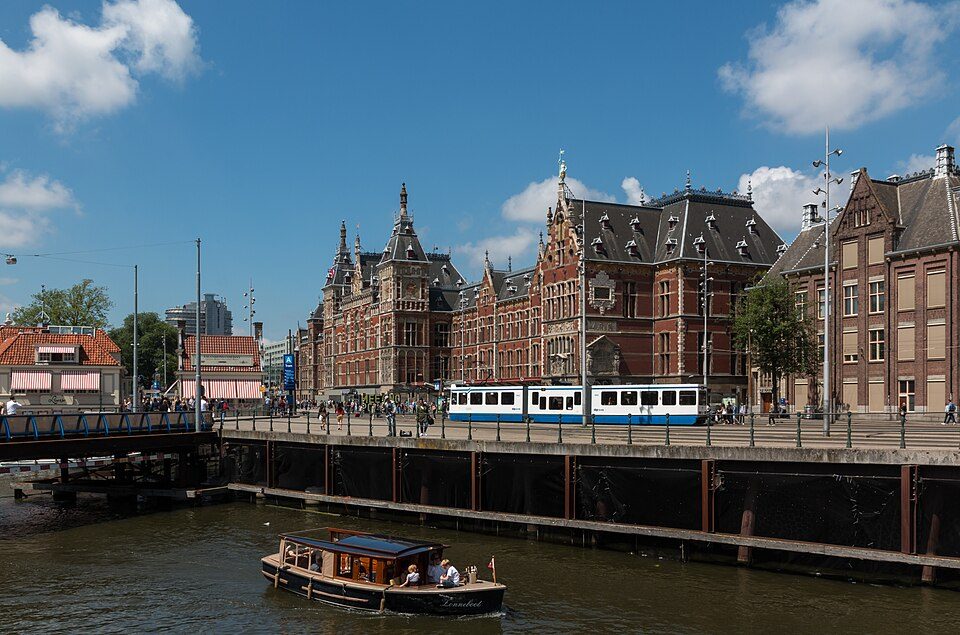
Trams are particularly useful for journeys through and around the central parts of Amsterdam. They connect many popular areas, including the historic centre, Museumplein, De Pijp, Oud-Zuid, Amsterdam West and Amsterdam Oost.
If you are planning several days of sightseeing, our guide to the neighbourhoods of Amsterdam can help you understand where the main areas sit in relation to each other.
If you prefer to see the network visually, you can also view the official GVB maps of Amsterdam's tram and public transport network.
For current tram lines, stops, departure times and diversions, always check the official GVB website or journey planner.
Are Amsterdam trams good for tourists?
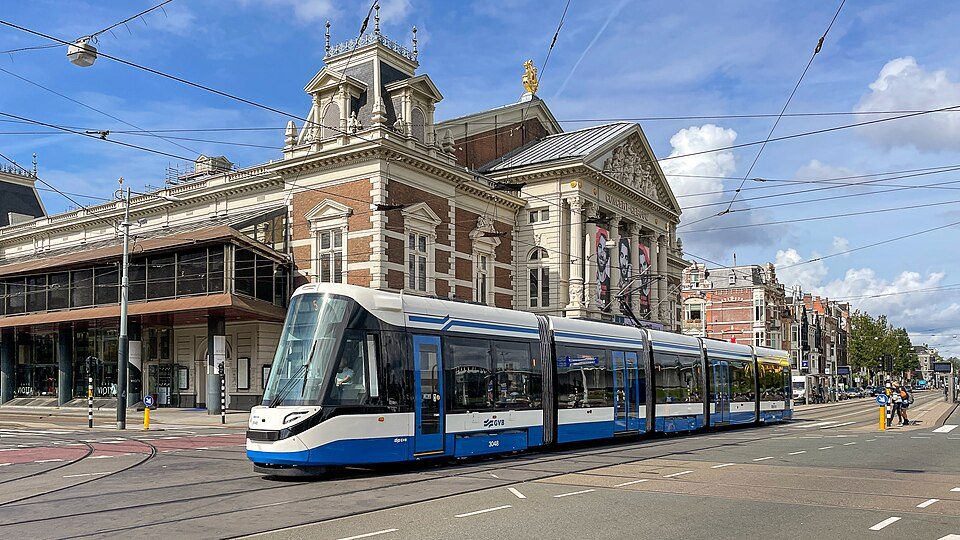
They are often most useful when a destination is slightly too far to walk but does not require a longer metro journey.
For example, you might walk through the historic centre in the morning and then use a tram to continue towards Museumplein or another neighbourhood later in the day.
If you are still deciding where to go, our overview of things to do in Amsterdam can help you plan the places you want to visit before choosing the easiest way to travel between them.
Tram or metro in Amsterdam?

Trams have many stops and run through streets throughout the central parts of Amsterdam. This makes them useful for relatively short journeys and sightseeing.
The metro generally covers longer distances more quickly and is especially useful when travelling between the centre and areas further away.
For longer journeys, read our guide to using the Amsterdam metro to understand the lines, tickets and how the system works.
Tram or bus in Amsterdam?
Within the central parts of Amsterdam, visitors will often find the tram more useful than the bus. Trams serve many busy streets and popular visitor areas.Buses become more useful on routes that are not covered by the tram or metro network and when travelling towards some of the outer parts of Amsterdam.
If your route requires a bus, our guide to taking the bus in Amsterdam explains how boarding, tickets and fares work.
Can you take a bike on an Amsterdam tram?
Regular bicycles are not allowed on Amsterdam trams. Folding bikes are allowed as long as they are folded. The city is designed so that cycling itself is normally the easier option.If you are comfortable cycling, a bike can also be faster than public transport for many short journeys. Our guide to cycling in Amsterdam explains the main traffic rules and practical tips for first-time visitors.
If you want your own bike while staying in the city, you can also read how bike rental in Amsterdam works or rent directly from Black Bikes.
Are Amsterdam trams accessible?
Many Amsterdam trams and stops are designed to make boarding easier for passengers with reduced mobility, but accessibility can vary depending on the vehicle, stop and route.If step-free access is important for your journey, check the current accessibility information in the GVB journey planner before travelling.
How late do trams run in Amsterdam?
Trams operate throughout the day and into the evening, but exact operating times depend on the line and day of the week.Rather than relying on a fixed general timetable, check the GVB journey planner for the last tram from your location. Amsterdam also has night buses that operate when the regular daytime network is no longer running.
Is a GVB day ticket worth it for tram travel?
That depends on how often you expect to use public transport.If you only make a few journeys, checking in and out with a contactless bank card can be the simplest option. If you expect to use trams, buses and the metro repeatedly throughout the day, a GVB day or multi-day ticket may be more convenient.
Visitors staying for several days can also read our explanation of the Amsterdam 3-day GVB ticket to see how the 72-hour option works.
Practical tips for using Amsterdam trams
- Check the line number and final destination before boarding.
- Let passengers leave the tram before you get on.
- Check in immediately after boarding.
- Always check out when you leave.
- Use the same card or device to check in and out.
- Check the GVB journey planner for temporary diversions and route changes.
- Keep an eye on the stop information inside the tram so you know when your stop is approaching.
Getting around Amsterdam by tram, bike and public transport
The tram is one of several convenient ways to travel around Amsterdam. For short distances in the historic centre, walking is often easiest. Trams are useful for travelling between central neighbourhoods, while the metro and buses help with longer journeys.Cycling gives you even more freedom and makes it possible to move directly between neighbourhoods without waiting for public transport.
Our complete guide to getting around Amsterdam compares walking, cycling, trams, metro, buses, ferries, taxis and Uber so you can choose the best option for each journey.
Use a bike your entire stay