 Nederlands
  Français
  Deutsch
  Italiano
  Español
  Português

Which area of Amsterdam should you visit?
If you are short on time, this is the easiest way to choose where to go:- Amsterdam Centrum: best for canals, historic streets, famous sights, shopping, and first-time visitors.
- Amsterdam Zuid: best for museums, parks, elegant neighbourhoods, and De Pijp.
- Amsterdam Oost: best for parks, markets, multicultural neighbourhoods, and a more local atmosphere.
- Amsterdam Noord: best for creative spaces, waterfront views, modern architecture, and relaxed cycling.
- Amsterdam West: best for cafés, parks, local neighbourhoods, food, and cultural venues close to the centre.
Amsterdam Centrum
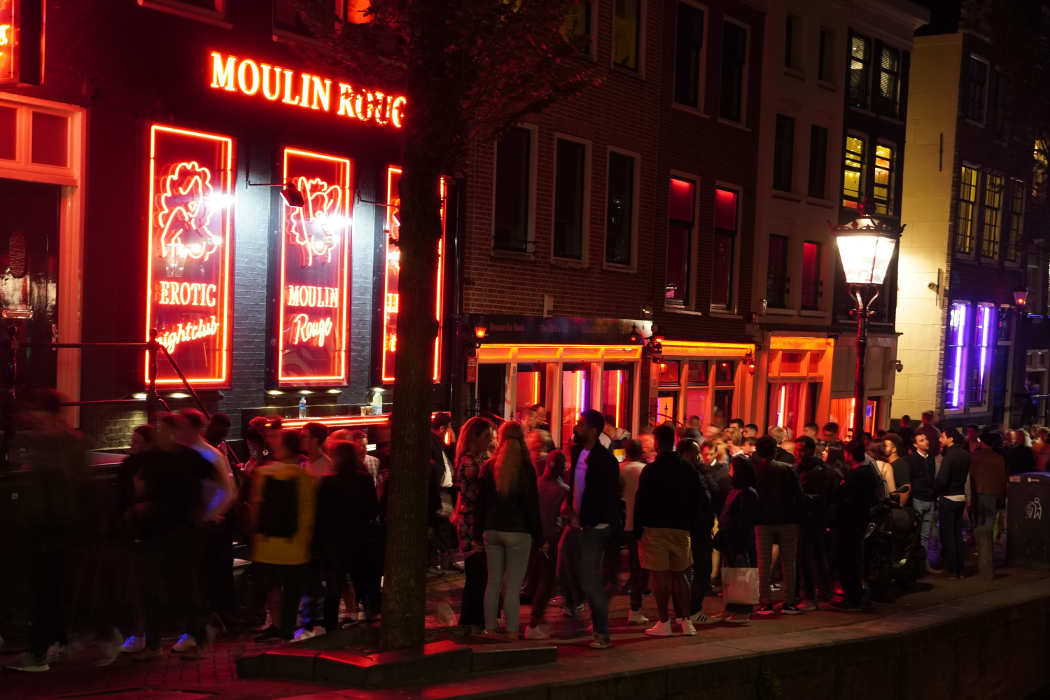
Amsterdam Centrum is the historic heart of the city and the area most visitors explore first. It includes many of Amsterdam’s best-known sights, including Dam Square, the Royal Palace, Amsterdam Central Station, the canal belt, the Jordaan, De Wallen, De Negen Straatjes, and the eastern Plantage district.De Wallen is the oldest part of Amsterdam. It is best known as the Red Light District, but the area also has a lot of history. You can see the Oude Kerk, old canals, narrow alleys, historic houses, bars, cafés, small museums, and the streets around Nieuwmarkt and Zeedijk. During the day, it is easier to notice the historic side of the area, while in the evening it becomes much busier.
The Grachtengordel is Amsterdam’s famous canal belt. It includes the Herengracht, Keizersgracht, and Prinsengracht, with elegant canal houses, bridges, houseboats, shops, and quiet side streets. This is one of the best areas for walking or cycling because the classic Amsterdam scenery is everywhere.
The Jordaan sits just west of the canal belt and is one of the most charming parts of the centre. It has narrow streets, small canals, independent shops, cafés, galleries, and some of the city’s best-known markets in Amsterdam. Places like Noordermarkt, Westerstraat, Lindengracht, and Brouwersgracht are worth seeing.
De Negen Straatjes, or the Nine Streets, is a small shopping area inside the canal belt. It is known for boutique shops, vintage stores, cafés, design shops, and local businesses, making it one of the most popular places for shopping in Amsterdam. It is also close to the Jordaan, the Anne Frank House, Dam Square, and the rest of the historic centre.
On the southern side of the historic centre, the area around Leidseplein and the streets towards Museumplein forms a natural connection between the canal belt and Amsterdam Zuid. This part of Amsterdam City Centre South is especially lively, with theatres, restaurants, nightlife, shopping streets, and easy access to Vondelpark and the Museum Quarter.
Plantage lies within Amsterdam Centrum-Oost and is one of the greener and quieter parts of the historic city. Important sights include Artis Zoo, the Hortus Botanicus, the Dutch Resistance Museum, the National Holocaust Museum, and the Portuguese Synagogue nearby. The wide streets, trees, museums, and quieter residential corners give this part of the centre a noticeably different atmosphere from areas like Dam Square or De Wallen.
Amsterdam Centrum is the strongest choice for first-time visitors who want to see the classic version of Amsterdam: historic canals, bridges, old streets, museums, shopping areas, and many of the city’s main landmarks within a relatively small area.
Amsterdam Zuid
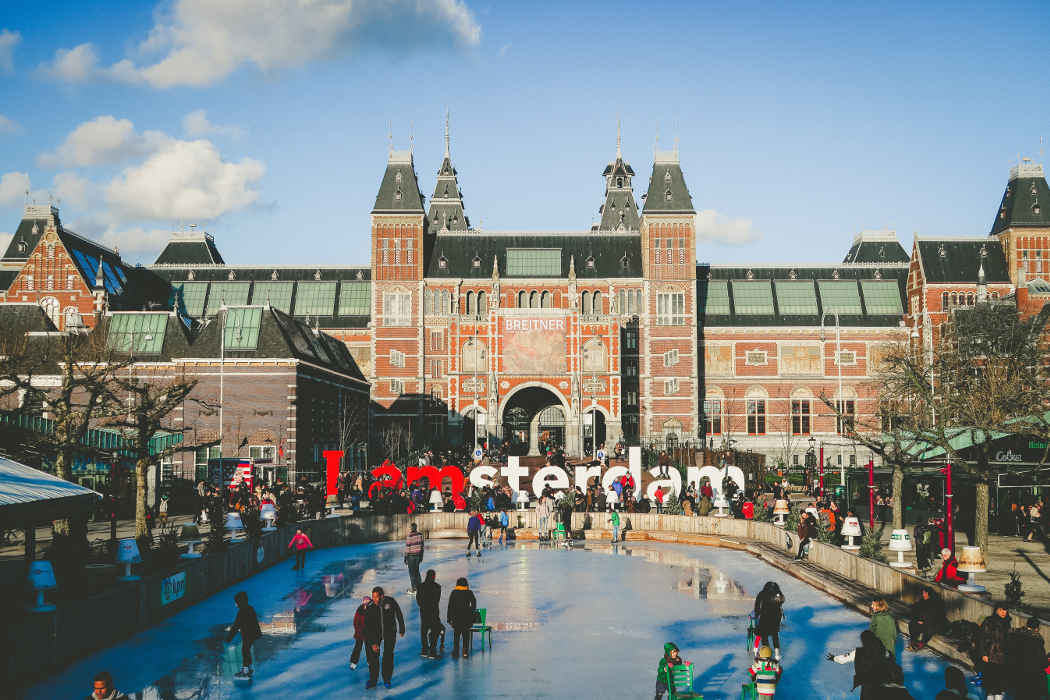
Amsterdam Zuid combines major museums, spacious parks, elegant residential streets, lively neighbourhoods, and the modern business district around Zuidas.Museumplein is the cultural centre of Amsterdam Zuid and one of the best places to start if you are interested in museums in Amsterdam. Here you will find the Rijksmuseum, Van Gogh Museum, Stedelijk Museum, and Concertgebouw. The area is spacious and easy to combine with Vondelpark, Oud-Zuid, or De Pijp.
Oud-Zuid is known for wide streets, beautiful houses, luxury shopping, cafés, and a calm residential atmosphere. P.C. Hooftstraat is one of Amsterdam’s most famous shopping streets, while Cornelis Schuytstraat and the streets around Vondelpark have a more local and elegant feel.
De Pijp is livelier and more energetic. It is known for restaurants, cafés, bars, shops, terraces, and the Albert Cuyp Market. Sarphatipark gives the neighbourhood a green centre, while streets like Ferdinand Bolstraat, Gerard Doustraat, and Van Woustraat are full of local life.
Vondelpark is one of the most important green spaces in Amsterdam. It is popular for walking, cycling, relaxing, and moving between Oud-Zuid, Museumplein, and Oud-West. It is also a good starting point for exploring more Amsterdam parks by bicycle. For many visitors, it is one of the easiest places to take a break from the busy city streets.
Zuidas is Amsterdam’s main business district. It has modern offices, hotels, apartments, restaurants, and strong transport connections. It is less historic than other parts of Amsterdam, but it is useful for business travellers and anyone staying near Amsterdam Zuid station.
Further south, Amsterdam becomes greener and more residential. Areas near Beatrixpark, the RAI, Amsterdamse Bos, and Buitenveldert feel quieter and more spacious than the city centre.
Amsterdam Zuid works especially well if you want to combine museums and parks with attractive residential neighbourhoods, shopping, restaurants, and cafés.
Amsterdam Oost
Amsterdam Oost combines large parks, multicultural neighbourhoods, local markets, residential streets, and a noticeably less touristy atmosphere than the historic centre.Oosterpark is one of the main green spaces in Amsterdam Oost. It is surrounded by cafés, local streets, and cultural sights, while the nearby area around Linnaeusstraat connects easily with the rest of Oost.
Further east, neighbourhoods like the Indische Buurt and the area around Javastraat offer a more local and diverse side of Amsterdam. Restaurants, cafés, bakeries, and shops reflect the area's multicultural character.
Dappermarkt is one of the best-known local markets in this part of the city, while Flevopark and Park Frankendael provide more space for walking, relaxing, and cycling.
The eastern parts of Amsterdam are also increasingly mixed with newer residential developments and waterside neighbourhoods, giving Oost a combination of traditional city streets and more modern areas.
Choose Amsterdam Oost if you want parks, markets, food, local street life, and neighbourhoods that generally feel less focused on tourism than the centre.
Amsterdam Noord
Amsterdam Noord feels much more spacious than the historic centre, combining former industrial areas, creative venues, modern architecture, waterfront views, residential neighbourhoods, and some excellent cycling routes.The free ferry from Central Station makes Noord easy to reach. Close to the ferry, you can visit the A’DAM Tower, the Eye Filmmuseum, and the waterfront area with views back towards the city centre.
NDSM is one of the best-known parts of Noord. It is a former shipyard that has become a creative area with street art, event spaces, cafés, restaurants, studios, and cultural venues. The atmosphere is more industrial and open than in the old centre.
Noord is also one of the easiest areas for longer, more relaxed bike rides. The streets are wider, the area is less crowded, and you can continue towards quieter residential neighbourhoods, parks, villages, and waterside routes that quickly feel far removed from central Amsterdam.
Amsterdam Noord is particularly good for visitors interested in creative culture, modern architecture, waterfront views, and cycling beyond the busiest parts of the city.
Amsterdam West
Amsterdam West is where the historic centre gradually gives way to lively residential neighbourhoods, parks, cafés, restaurants, and creative cultural spaces.Westerpark sits on the border between the city centre and Amsterdam West. It is both a park and a cultural area. The park itself is a good place to walk, cycle, or relax, while the Westergas area has cafés, restaurants, markets, exhibitions, festivals, and events.
Oud-West is one of the most popular parts of Amsterdam West. It sits between the canal belt, Vondelpark, and the western neighbourhoods. The area is known for cafés, restaurants, local shops, and De Hallen, a former tram depot with food, cinema, shops, and cultural spaces.
De Baarsjes and Bos en Lommer are further west and feel more residential. These areas are less touristy, but they have local shops, cafés, parks, and easy cycling routes back towards the centre.
Amsterdam West is a strong option if you want to stay close to the historic centre while spending more time in neighbourhoods that feel local and residential. It is also especially convenient
Use a bike your entire stay